Half-hourly electricity contracts can look more complicated than they really are. If you’ve ever stared at a Yu Energy bill and wondered why there are so many line items, you’re not alone. Let’s break down the main charges so you know what you’re paying for — and why.
Standing Charge: The Daily Fee That Never Sleeps
Every business pays a standing charge, no matter how much energy they use.
This daily fee covers the supplier’s fixed costs — the unglamorous but essential stuff like:
-
Keeping the electricity network running (wires, substations, all the infrastructure that keeps the lights on)
-
Billing services and meter readings
-
Contributions to government environmental and social programmes
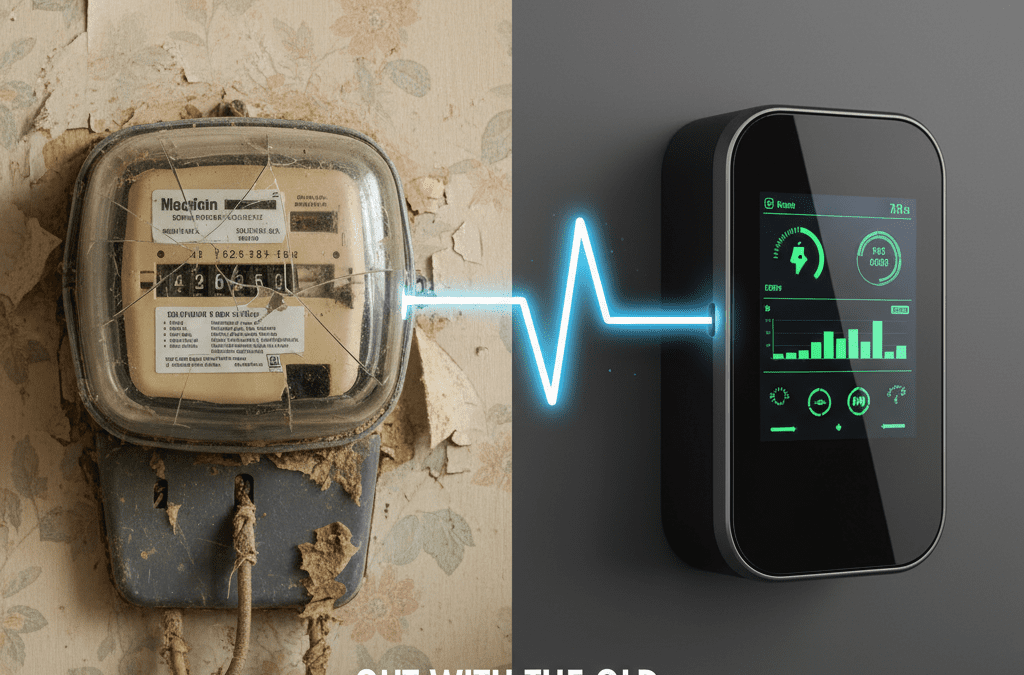
For Half-Hourly (HH) meters, that standing charge is usually higher. Why? Because HH meters constantly send detailed usage data through a built-in SIM card — and managing that live data flow costs more than reading a traditional meter once a quarter.
Metering Charge (MOP/DC Charge): Paying for the Brains Behind the Meter
Then there’s the Metering Charge, also known as the MOP/DC charge. This isn’t just another fee dreamt up to irritate you — it’s actually required by law for HH customers.
It covers two key services:
-
Meter Operator (MOP): installs, maintains, and fixes the physical meter.
-
Data Collector (DC): gathers your half-hourly data and passes it on to your supplier so you’re billed accurately.
Depending on the contract, Yu Energy might show this charge separately — usually as a fixed monthly or daily amount — or they might roll it into your standing charge if you’re on a fully fixed deal.
Fixed vs Pass-Through Contracts: What’s the Difference?
-
Fixed Price HH Contract: All costs (commodity, metering, and transportation) are wrapped up into the price you see. No surprises.
-
Pass-Through or Out-of-Contract Rate: You’ll see each element listed separately — including the Metering Charge — so costs can fluctuate depending on changes to third-party charges.
The Bottom Line
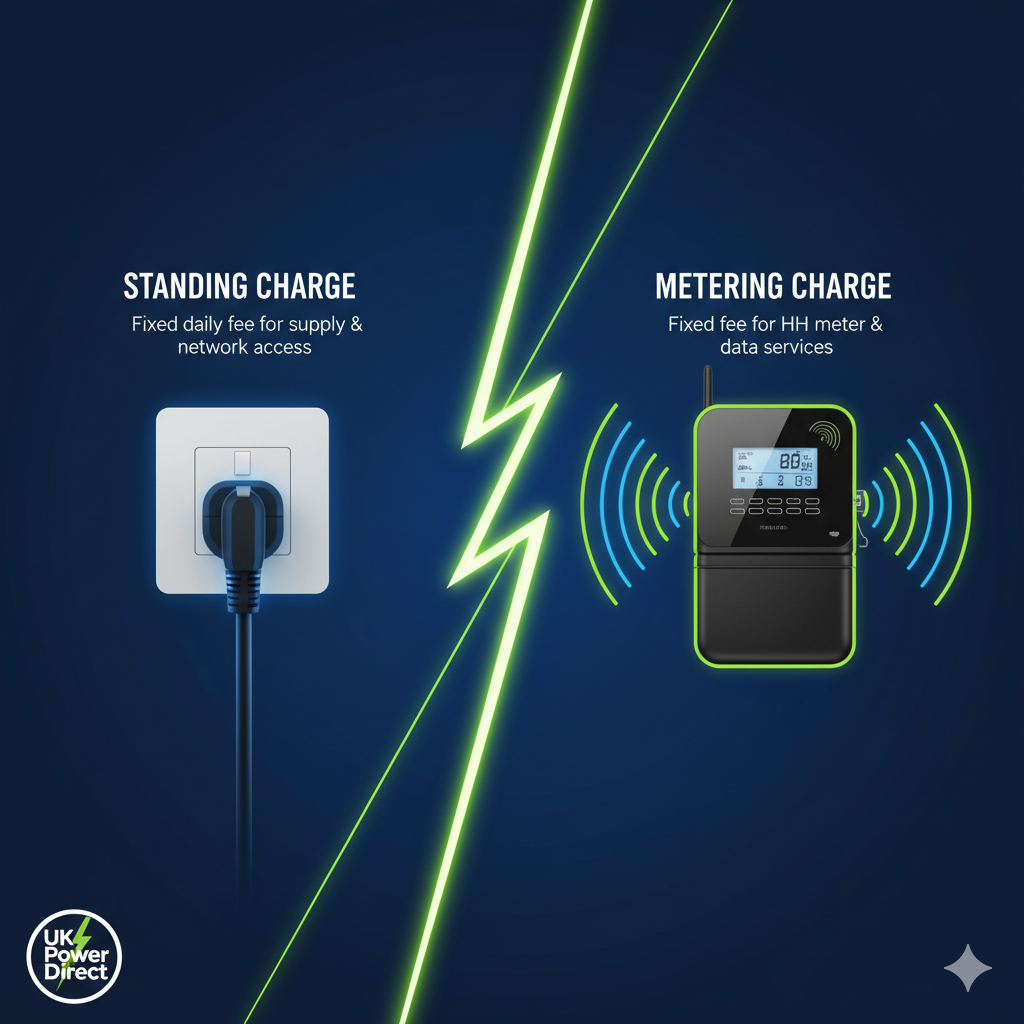
On a Half-Hourly contract, you’re paying for two main things:
-
Standing Charge – for energy supply and access to the network.
-
Metering Charge – for the meter itself and the data services that keep your billing accurate.
When you know what’s included, it’s easier to compare suppliers fairly. At UK Power Direct, we make sure your contract is transparent, and that you understand whether your rates are fully fixed or pass-through before you sign anything.
Knowledge saves money — and stops surprises later.